


Building a healthy oral hygiene routine early sets children up for a lifetime of bright smiles. However, getting little oneTooth sensitivity can make everyday moments feel uncomfortable. A sip of cold water, a warm cup of coffee, or even breathing in cool air may cause a sharp sensation in one or more teeth. While occasional sensitivity is common, ongoing discomfort should not be ignored. Sensitive teeth can sometimes be linked to enamel wear, gum recession, cavities, or other dental concerns that need attention. Understanding what may be causing the issue is the first step toward protecting your smile and feeling more comfortable each day.
What Tooth Sensitivity Feels Like
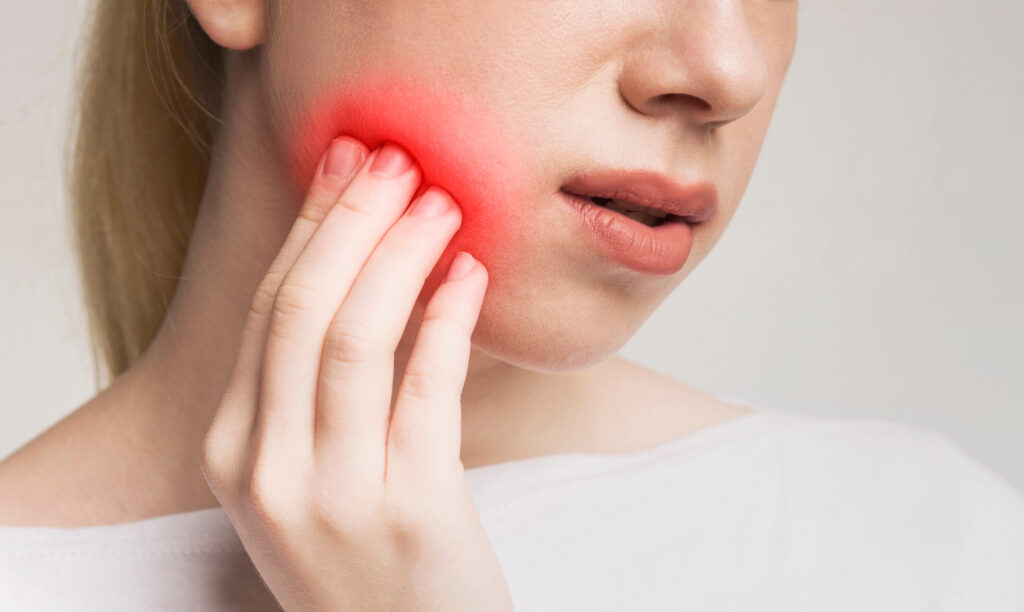
Tooth sensitivity often feels like a quick, sharp discomfort that appears suddenly and then fades. It may happen when your teeth are exposed to cold, heat, sweetness, acidity, or pressure from brushing. Some people notice it in one specific tooth, while others feel it across several areas of the mouth. The sensation can be mild, but it can also become strong enough to affect eating, drinking, and daily routines. If the discomfort keeps returning, it is worth having your teeth checked.
Common Causes of Sensitive Teeth
One of the most common causes of sensitivity is worn enamel. Enamel is the strong outer layer that protects your teeth, but it can gradually become thinner from acidic foods, sugary drinks, aggressive brushing, or grinding. When enamel wears down, the inner layers of the tooth can become more exposed.
Gum recession can also lead to sensitivity. When the gumline pulls back, it may expose the tooth root, which is not protected by enamel in the same way as the crown of the tooth. Cavities, cracked teeth, worn fillings, and recent dental treatments can also make teeth feel more sensitive. In some cases, sensitivity may be a sign that a tooth needs professional care before the problem becomes more serious.
How Daily Habits Can Help
Simple changes can often reduce sensitivity and protect your teeth from further irritation. Using a soft-bristled toothbrush and gentle pressure can help prevent enamel wear and gum irritation. Brushing too hard does not clean better, but it can damage the protective surfaces of your teeth over time.
A toothpaste made for sensitive teeth may also help when used consistently. It is also wise to limit acidic drinks such as pop, citrus juices, and sparkling beverages, especially if sensitivity is already present. Rinsing with water after acidic foods or drinks can help reduce their effect on your enamel.
When to Book a Dental Visit
If sensitivity lasts more than a few days, affects one tooth strongly, or is paired with pain, swelling, bleeding gums, or discomfort when biting, it is time to schedule an exam. A dentist can check whether the cause is enamel wear, gum recession, decay, a crack, or another issue. Early care can often make treatment simpler and help prevent further damage.
At Centrum Dental in Kanata, our team can help identify the cause of tooth sensitivity and recommend the right next steps for your smile. If sensitive teeth are making daily eating or drinking uncomfortable, schedule your next visit and let our caring team help you protect your oral health.